


Article written by Lutherking Asuru, Canadian Centre for Architecture — this project received a micro grant from Wikimedia Canada
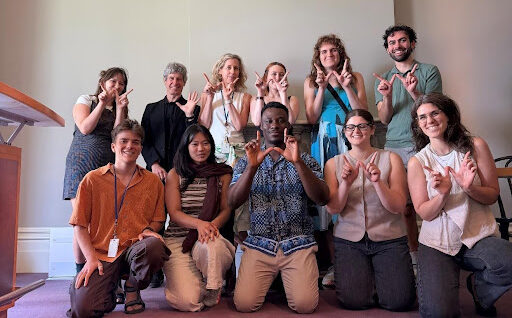
On 25 June 2026, the Canadian Centre for Architecture (CCA) in Montreal, Quebec, hosted its first Wiki Lunch and Learn, a two-hour professional development workshop introducing staff to the Wikimedia ecosystem and the opportunities it offers for cultural heritage institutions.
The session brought together 15 staff members and 3 wikimedians, including archivists, librarians, curators, and researchers, to explore how Wikipedia, Wikimedia Commons, and Wikidata can support heritage preservation, research, and public engagement. Through a combination of presentations and hands-on activities, participants learned about open licensing, copyright, Freedom of Panorama, and the role of Wikimedia projects in making cultural heritage more accessible. By the end of the workshop, every participant had uploaded at least one image to Wikimedia Commons and created at least one Wikidata item, while also gaining introductory experience with Wikipedia editing and citations.
One of the most rewarding aspects of organizing this event was seeing how quickly participants connected Wikimedia tools to their everyday work. Archivists were particularly excited about the possibilities offered by Wikidata for improving metadata and discoverability, while others were inspired by Wikimedia Commons as a platform for sharing cultural heritage collections with a global audience. The energy in the room was remarkable many participants commented that the two-hour session felt much shorter because of the engaging discussions and practical exercises.
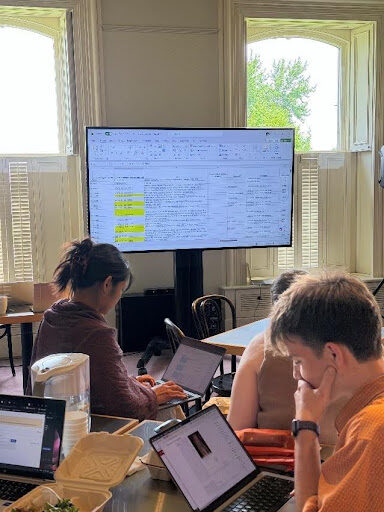
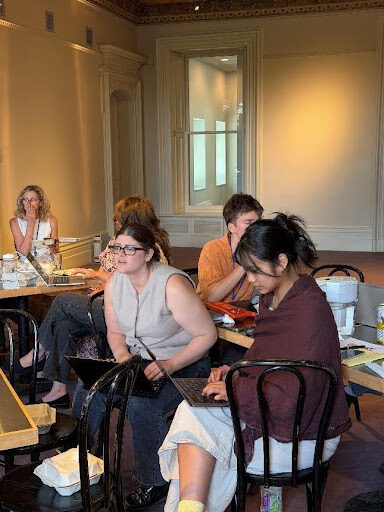
Photo credit: Lutarchitecture – CC BY-SA 4.0
Organizing the event also reinforced the importance of collaboration. Working alongside the CCA Wiki Committee and inviting experienced Wikimedians to support the workshop created a welcoming learning environment where participants felt comfortable asking questions and experimenting with new skills. One lesson I learned is that practical demonstrations are far more effective than lectures alone. Allowing participants to contribute during the session, built confidence and encouraged continued engagement after the workshop.
For anyone planning a similar activity, my advice would be to keep the session interactive, tailor examples to the audience’s professional interests, and create opportunities for participants to make their first contributions before they leave the room. Building relationships with institutional partners and experienced Wikimedia volunteers also makes planning and delivery much smoother.
This workshop benefited both the local and broader Wikimedia communities. Locally, it introduced a new group of cultural heritage professionals to open knowledge practices and established a foundation for future collaboration between the CCA and Wikimedia communities. More broadly, it welcomed 18 new contributors to the Wikimedia movement, encouraged the sharing of heritage content under open licenses, and demonstrated how GLAM institutions can strengthen free knowledge through Wikimedia platforms.
Workshop Contributions:
Participant contributions to Wikimedia Commons and Wikidata are available through the Outreach Dashboard and the associated user contribution records.